Gas Line Plumbing in Austin, TX
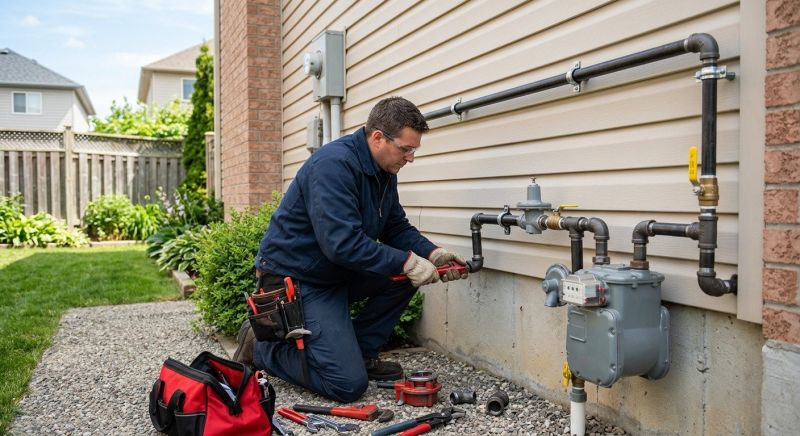
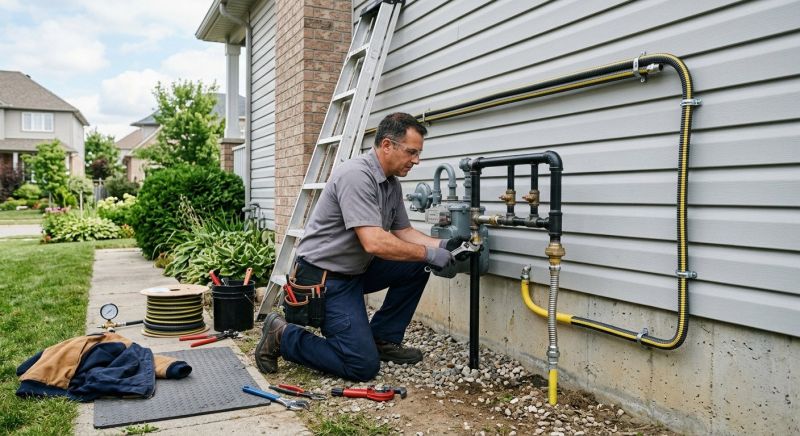
Gas line plumbing services involve the installation, repair, and replacement of gas pipelines within residential properties. These projects typically include connecting appliances such as stoves, water heaters, fireplaces, and outdoor grills to the home's gas supply, as well as addressing issues like leaks, corrosion, or damaged piping. Property owners often seek these services to ensure their gas systems operate safely and efficiently, and they should understand the importance of proper installation and inspection to prevent potential hazards.
Before requesting gas line plumbing work, homeowners should consider the scope of the project, including whether new lines are needed or existing lines require upgrades or repairs. It’s also helpful to understand the location of shut-off valves, the age of current piping, and any relevant safety regulations or permits required by local codes. Clear communication about the specific appliances or systems involved can help ensure the work meets safety standards and operates reliably.
Many property owners in Austin, TX look into Gas Line Plumbing for repairs, replacements, upgrades, and appearance-related improvements.
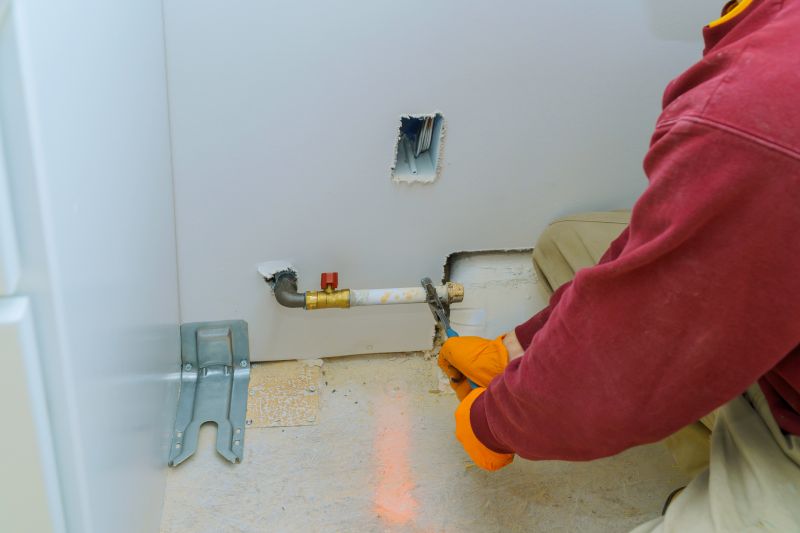
Gas Line Installation
Proper installation ensures safe and reliable gas supply for appliances and heating systems.
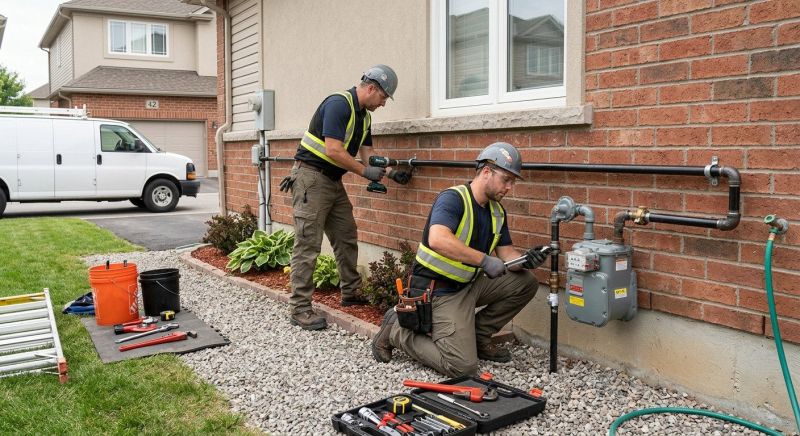
Gas Line Repair And Replacement
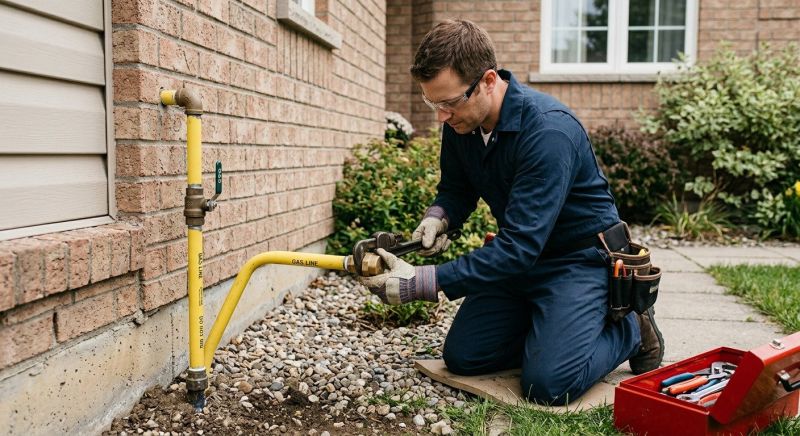
Prompt repairs can prevent leaks and ensure your gas system operates efficiently and safely.
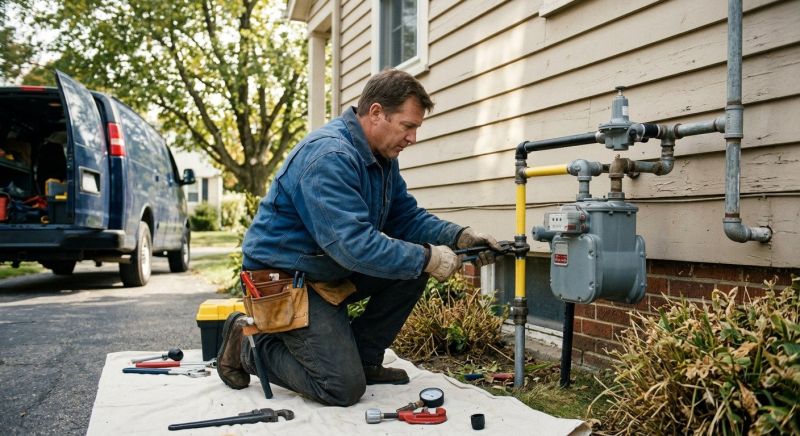
Gas Leak Detection
Expert detection services help identify and fix leaks to protect property and ensure safety in austin homes.
Gas Line Plumbing in Austin, TX

Gas line plumbing services involve the installation, repair, and replacement of gas pipelines within residential properties. These projects typically include connecting appliances such as stoves, water heaters, fireplaces, and outdoor grills to the home's gas supply, as well as addressing issues like leaks, corrosion, or damaged piping. Property owners often seek these services to ensure their gas systems operate safely and efficiently, and they should understand the importance of proper installation and inspection to prevent potential hazards.
Before requesting gas line plumbing work, homeowners should consider the scope of the project, including whether new lines are needed or existing lines require upgrades or repairs. It’s also helpful to understand the location of shut-off valves, the age of current piping, and any relevant safety regulations or permits required by local codes. Clear communication about the specific appliances or systems involved can help ensure the work meets safety standards and operates reliably.
Many property owners in Austin, TX look into Gas Line Plumbing for repairs, replacements, upgrades, and appearance-related improvements.
Common Gas Line Plumbing Jobs
Gas line installation - ensures safe and reliable connection of gas appliances to the main supply.
Gas line repair - addresses leaks, corrosion, or damage to maintain safety and functionality.
Gas line replacement - upgrades outdated or damaged piping for improved safety and efficiency.
Gas line inspection - identifies potential issues before they become costly or hazardous.
Gas appliance hookup - connects stoves, dryers, and other appliances securely to gas lines.
Gas line troubleshooting - diagnoses problems affecting gas flow or appliance performance.
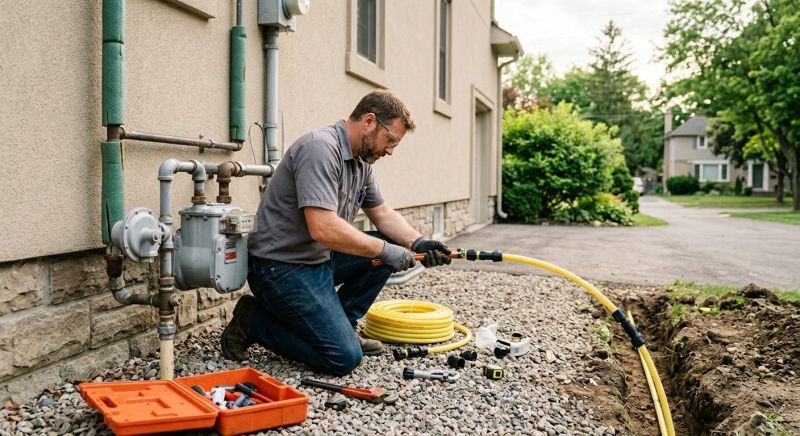
Gas Line Plumbing Questions
What are common signs of a gas line leak? Unusual smells, hissing sounds, or hissing sounds near appliances may indicate a leak and should be checked promptly.
Can gas line repairs be done without replacing the entire pipe? Yes, many issues can be fixed with targeted repairs, depending on the extent of the damage.
What types of gas line projects are typically requested? Installing new appliances, repairing leaks, or upgrading old piping are common service requests.
Is it safe to use appliances with a suspected gas line problem? No, appliances should not be used until a professional inspects and repairs the gas line.
Request Gas Line Plumbing in Austin, TX
Use the quote form on this page to share the basics of your project and request more information for the type of work you need.