Get Propane Line Installation
Propane line installation services help property owners safely set up and connect propane lines for appliances, heating systems, and outdoor equipment through experienced local contractors.
Property owners considering propane line installation often seek reliable, experienced service providers to handle this essential work. Proper planning and execution are important for ensuring safety, efficiency, and long-term performance of propane systems. Exploring local contractors allows property owners to compare options and find qualified professionals who understand the specific needs of the area.
Whether updating an existing setup or installing a new propane line, working with local service providers can help facilitate a smooth project. Property owners are encouraged to review their options and gather information to make informed decisions about their propane infrastructure. Keep reading to learn more about how local contractors can assist with propane line installation needs.
- Propane Line Installation - needed when upgrading or expanding a residential or commercial propane system.
- Propane Line Repair - required if existing propane lines develop leaks or damage.
- Propane Line Replacement - necessary when old or corroded lines need to be upgraded for safety and efficiency.
- Propane Line Maintenance - essential for ensuring the proper functioning of propane delivery systems over time.
- Propane Line Inspection - recommended before property renovations or new appliance installations to ensure line integrity.
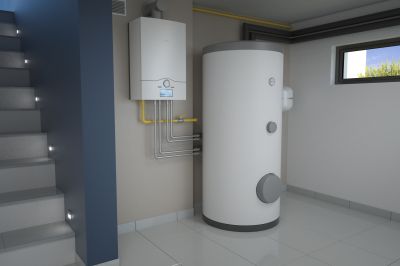
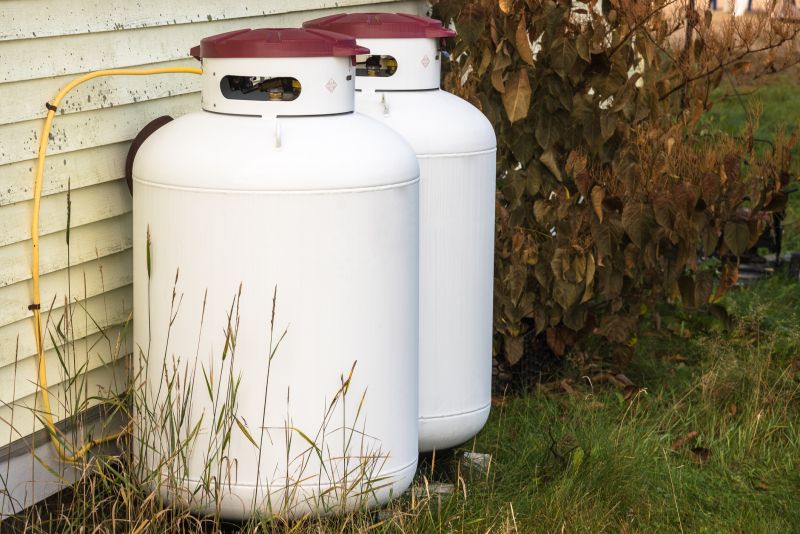
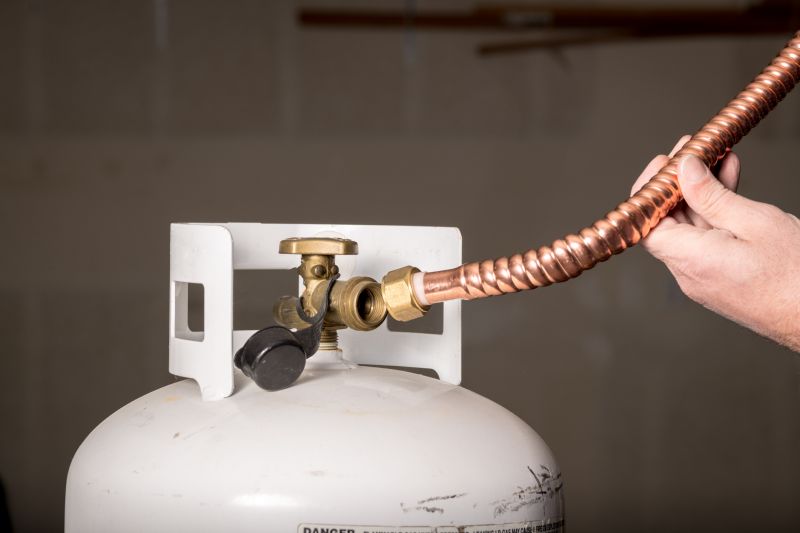
Propane line installation services involve setting up a safe and reliable pipeline that delivers propane gas from a storage tank to appliances within a property. This process includes assessing the property’s layout, planning the most efficient route for the pipeline, and installing the necessary fittings and connections. Proper installation ensures that propane is supplied consistently and safely to heating systems, water heaters, stoves, fireplaces, and other appliances that rely on propane fuel. Experienced local contractors focus on precision and adherence to safety standards to provide a seamless setup tailored to each property’s specific needs.
This service helps address common problems such as unreliable propane supply, leaks, or improper installation that can pose safety risks or cause appliance malfunctions. Faulty or incomplete installations may lead to gas leaks, which can be hazardous, or inadequate fuel delivery that hampers the operation of essential appliances. By working with qualified service providers, property owners can mitigate these issues, ensuring their propane systems operate smoothly and safely. Proper line installation also helps prevent costly repairs or replacements caused by poor initial setup, providing peace of mind for homeowners relying on propane for heating, cooking, or other functions.
Propane line installation is often needed in a variety of property types, including single-family homes, multi-unit residential buildings, and even some commercial properties. Homes that are not connected to natural gas lines and depend solely on propane for heating and appliances typically require this service. Rural properties or those located in areas where natural gas is unavailable are common candidates, as they often rely on propane tanks and dedicated pipelines. Additionally, properties undergoing renovations or expansions may need new or extended propane lines to accommodate additional appliances or updated systems.
Homeowners who notice issues like inconsistent appliance performance, leaks around existing pipelines, or plans to install new propane-powered equipment should consider consulting local contractors for an assessment. Proper propane line installation ensures safe and efficient operation of propane systems, helping prevent potential hazards and ensuring that appliances function as intended. Whether setting up a new propane system or upgrading an existing one, working with experienced service providers can help ensure the job is done correctly, providing reliable fuel delivery tailored to the property’s specific requirements.
The overview below groups typical Propane Line Installation projects into broad ranges so you can see how smaller, mid-sized, and larger jobs often compare in your area.
In many markets, a large share of routine jobs stays in the lower and middle ranges, while only a smaller percentage of projects moves into the highest bands when the work is more complex or site conditions are harder than average.
Smaller Repairs - Basic propane line repairs or replacements typically range from $150 to $400. Many routine jobs fall within this middle range, with fewer projects costing significantly more or less depending on complexity.
Line Extensions - Extending existing propane lines or adding new connections can cost between $500 and $1,500. Larger, more involved extensions may reach $2,500+ for complex property layouts.
Full Line Replacement - Replacing an entire propane line system generally costs from $2,000 to $5,000. Most projects fall into the middle of this range, with larger or highly customized setups pushing prices higher.
Large or Complex Installations - Extensive or custom propane line installations can exceed $5,000, especially for large properties or intricate systems. Many projects stay below this high tier, but costs can vary based on site-specific factors.
Actual totals will depend on details like access to the work area, the scope of the project, and the materials selected, so use these as general starting points rather than exact figures.
Natural Gas Line Installation - involves planning and installing underground piping systems, similar to propane line work, requiring knowledge of local codes and safety protocols.
Oil Line Plumbing - includes the installation and repair of fuel lines, sharing skills in precise piping, troubleshooting, and adherence to safety standards.
Outdoor Gas Appliance Hookup - entails connecting outdoor appliances like grills and heaters, requiring expertise in gas line routing and secure fittings.
Underground Utility Line Installation - involves trenching and laying various utility lines, which shares planning and excavation skills with propane line installation.
LP Gas Tank Installation - includes site assessment and setup of propane storage tanks, closely related to the installation of propane supply lines.
Commercial Gas Line Systems - involves designing and installing larger-scale gas piping for businesses, requiring similar technical skills and planning as residential propane line work.
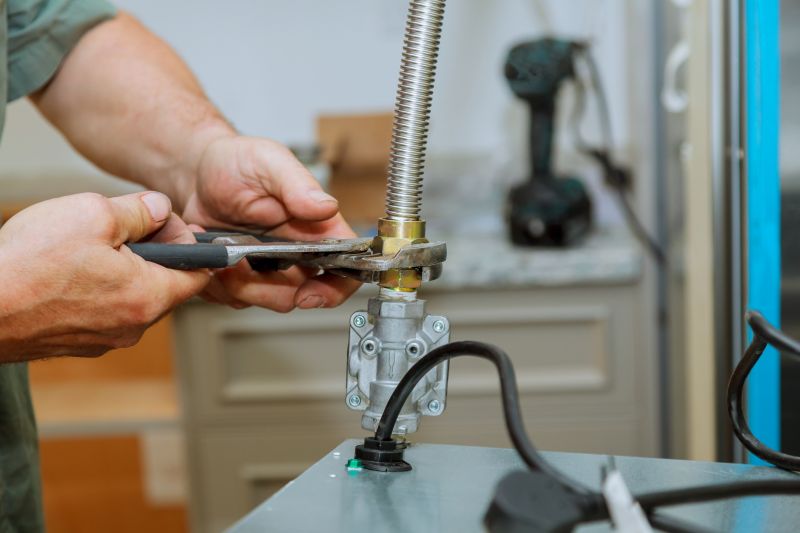
When comparing service providers for propane line installation, it’s important to consider their experience with similar projects. Homeowners should look for local contractors who have a proven track record of handling propane line installations in residential settings. An experienced professional will understand the common challenges that can arise and be familiar with the best practices to ensure a safe and reliable installation. Asking for details about past projects or checking references can provide insight into their familiarity with work comparable to what’s needed in the current home.
Clear, written expectations are essential when evaluating local contractors. Homeowners should seek detailed proposals that outline the scope of work, materials to be used, and any specific steps involved in the installation process. Having this information in writing helps prevent misunderstandings and ensures that both parties are aligned on project goals. It’s also beneficial to clarify what the contractor’s responsibilities are and what the homeowner’s role might be, fostering transparency throughout the process.
Good communication and reputable references are key indicators of a dependable service provider. Homeowners should look for local contractors who are responsive and willing to answer questions thoroughly. Checking references or reviews from previous clients can reveal how well a contractor communicates and manages projects. Reliable service providers will be transparent, approachable, and committed to keeping clients informed from start to finish. Remember, this site introduces homeowners to local options, enabling them to compare and connect with qualified professionals who can handle propane line installation projects effectively.
Property owners use Propane Line Installation services for practical projects around their homes and businesses. This guide focuses on everyday jobs and straightforward project options.
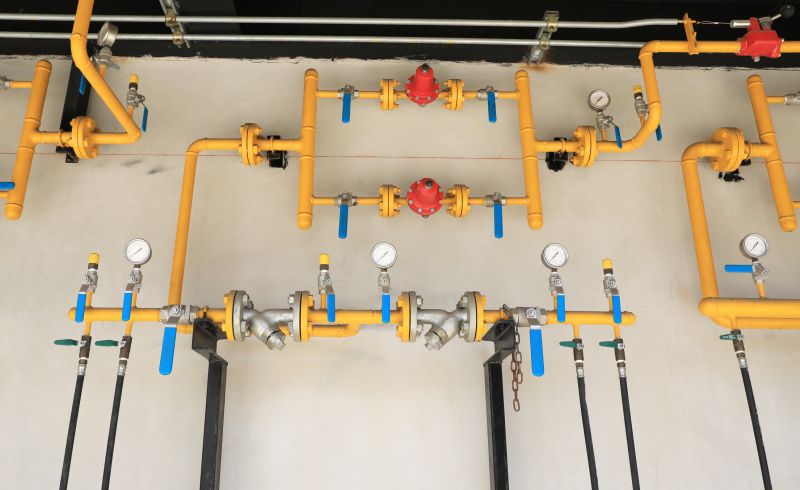
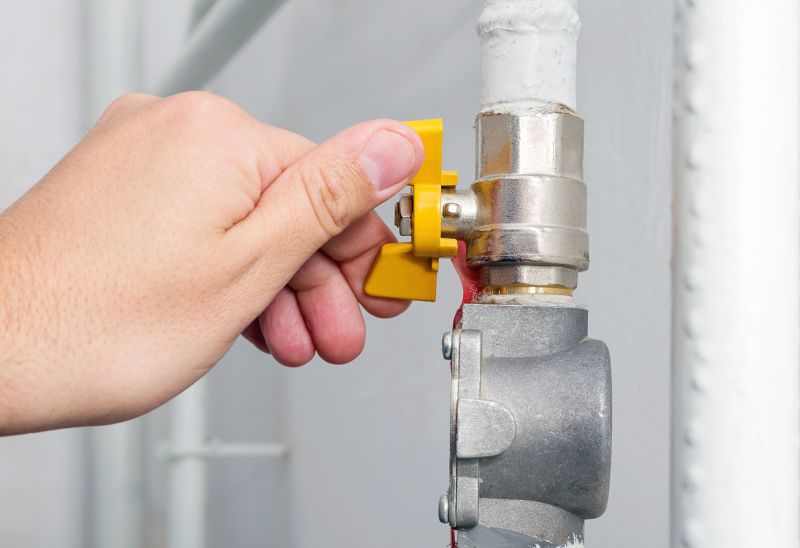
Property owners in the area may seek propane line installation services when setting up new appliances or upgrading existing systems. Whether installing a new outdoor grill, adding a backup power source, or expanding a property’s heating options, reliable propane lines are essential for safe and efficient operation. Local contractors can assist with the precise planning and installation needed to ensure the propane supply meets the specific demands of each project.
Additionally, property owners might look for propane line services when replacing outdated or damaged lines that could pose safety concerns or hinder appliance performance. Proper installation by experienced local service providers helps maintain compliance with safety standards and provides peace of mind. These professionals are equipped to handle a variety of project situations, from minor repairs to complete system setups, tailored to the needs of the property.
What is involved in propane line installation? Propane line installation typically includes planning the route, securing permits if necessary, and properly installing the piping to ensure safe and reliable fuel delivery. Local contractors can handle the entire process according to safety standards.
How do I know if my property needs a new propane line? A professional service provider can assess your property and existing infrastructure to determine if a new propane line is needed for your appliances or if repairs are sufficient.
Are there different types of propane lines available? Yes, there are various types of propane lines, such as flexible hoses and rigid piping, each suited for specific applications and installation environments. Local contractors can recommend the best options for your needs.
What safety considerations are involved with propane line installation? Proper installation by experienced service providers ensures that propane lines are secure, leak-free, and compliant with safety guidelines to minimize risks associated with propane use.
Can existing propane lines be upgraded or extended? Yes, local service providers can upgrade or extend existing propane lines to accommodate new appliances or changes in your property’s layout, ensuring continued safe operation.
Propane Line Installation for Outdoor Kitchens - Property owners can set up propane lines to power outdoor grills and appliances, creating a convenient cooking space.
Heating System Enhancements - Local contractors can install propane lines to support outdoor or indoor heating units, improving comfort during colder months.
Pool and Spa Heating - Propane lines can be used to fuel pool and spa heaters, allowing for longer use and more consistent temperatures.
Backup Power Solutions - Installing propane lines enables the connection of generators for reliable backup power during outages.
If you are thinking about Propane Line Installation for a property, this guide is meant to help you understand the work, the typical project types, and how different options might fit your plans.
When you are ready, you can use the quote form on this page to share a few details about your project. From there, local pros can review the basics and respond with options that match what you have in mind.